




Archive for the “dental bonding” Category
Cosmetically Bonding in Bristol
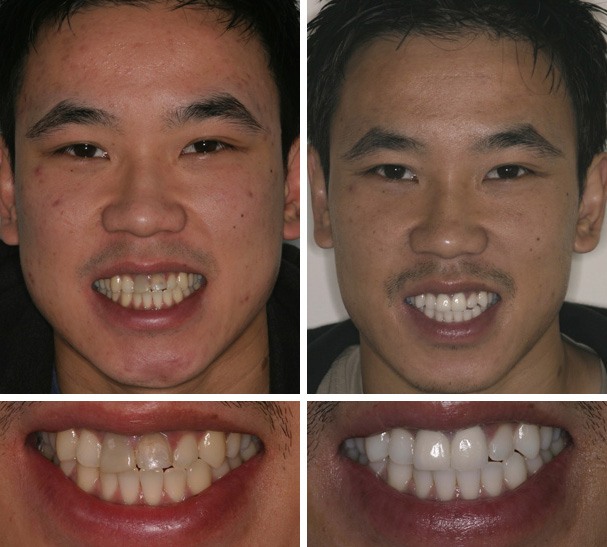
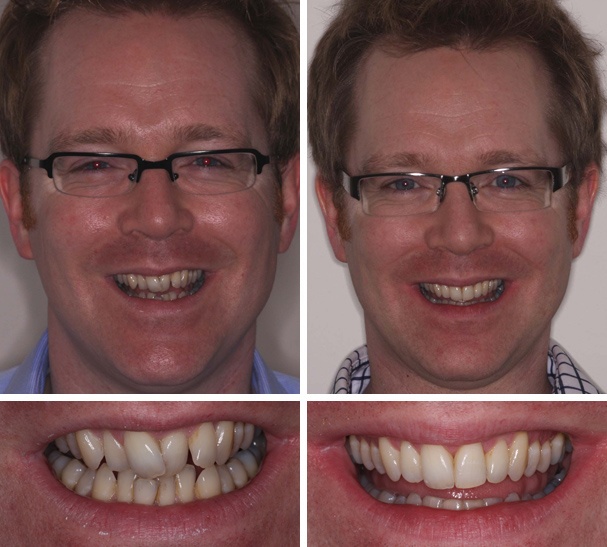
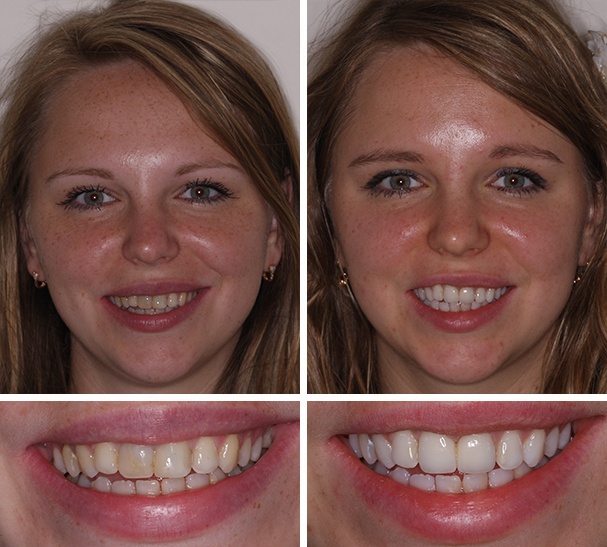
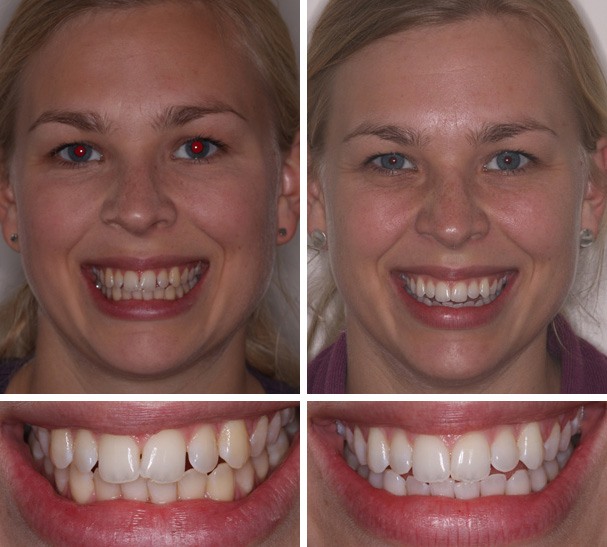
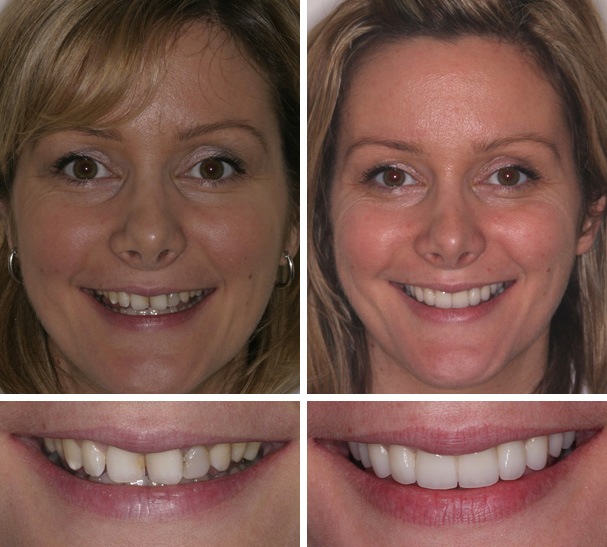
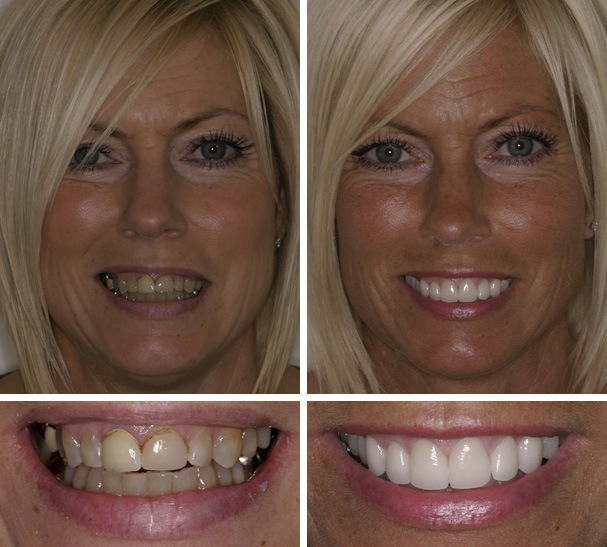
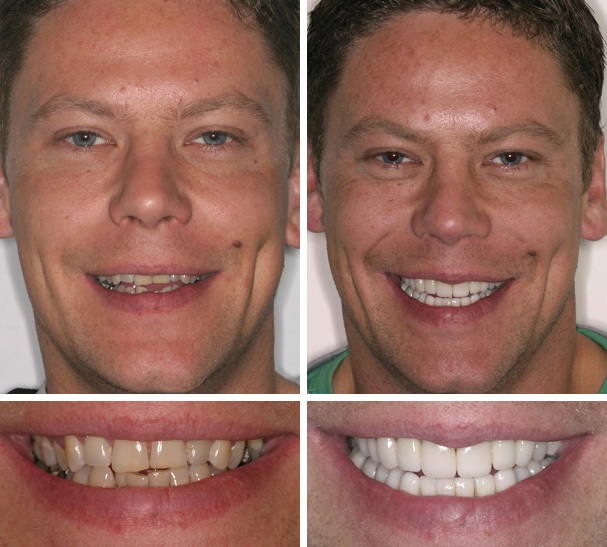
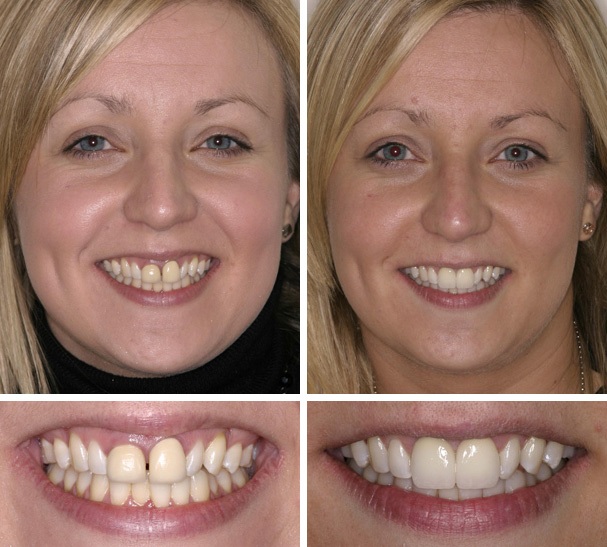
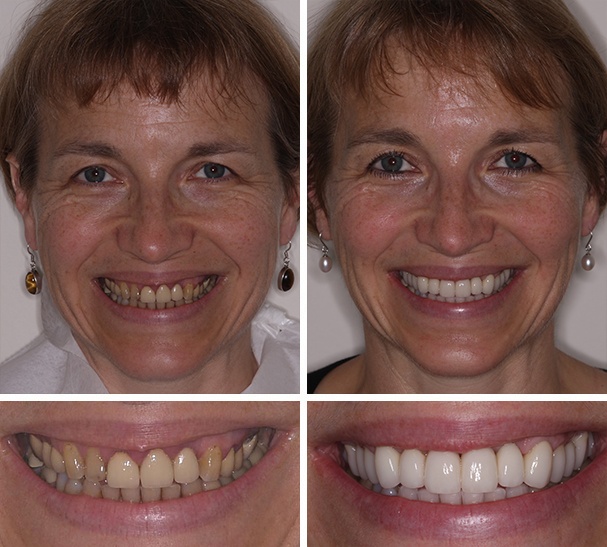
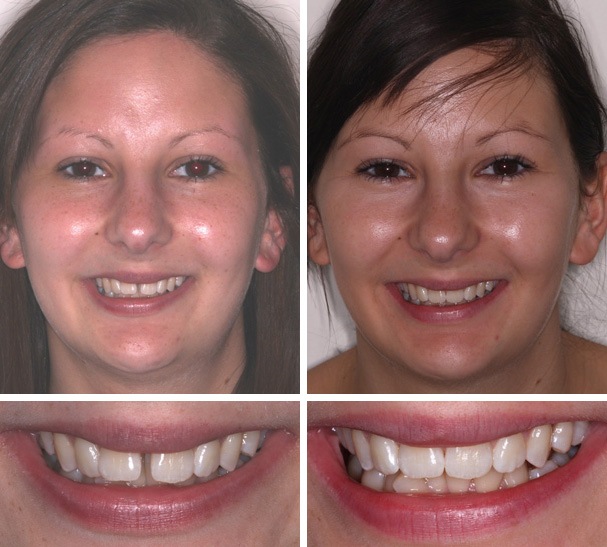
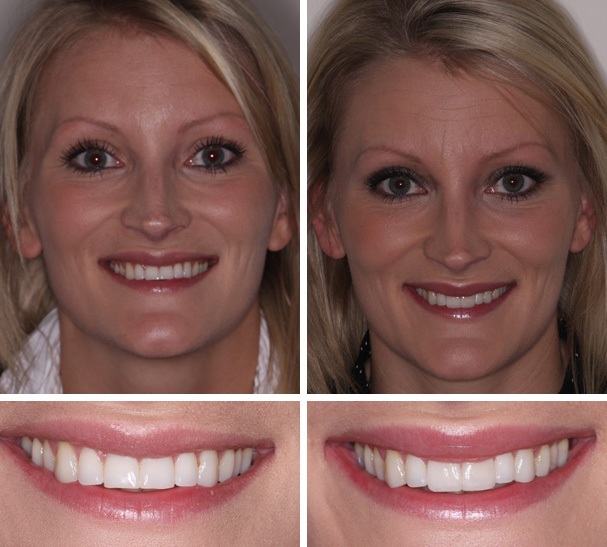
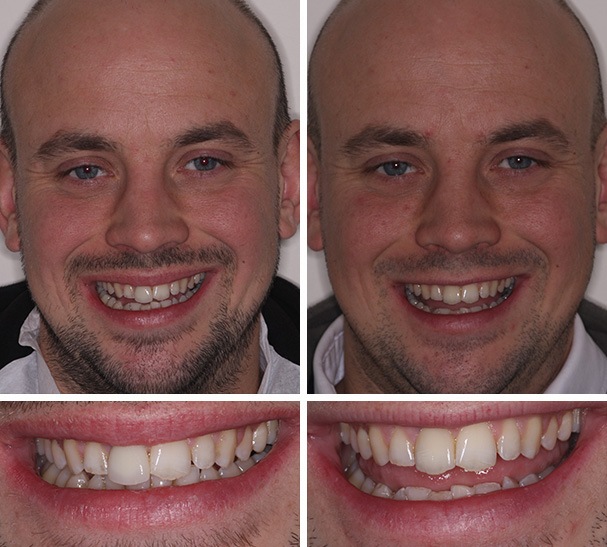
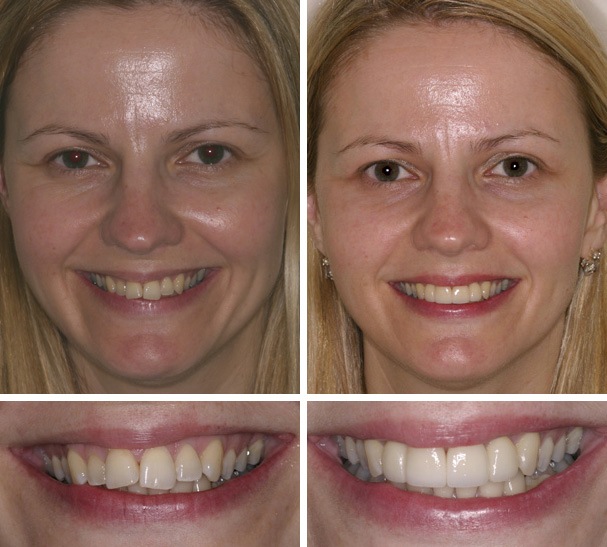
We don’t want the fuss, but we all want to look good as well in Bristol and one of the best starting points is to get our teeth done up. Now you can be excused for getting a bit blinded by choice here because there is so much to choose from, but one of the most tactile and easy ways of getting your teeth up to scratch is to opt for cosmetic bonding. Except for the chosen few, most of us are going to go through the transition of age which will inevitably show up in the wear and tear in our teeth. Cracks and gaps may appear, teeth can become discolored and generally, the appearance can look very aged. Cosmetic bonding however can change all this in one sitting as it is a slick and simple answer to all of these problems. When you plant yourself down in the chair, your teeth will be given a little clean first before the first layer of resin is applied to the offending area and then cured with heat. Over and over again the process is repeated until there is enough material for your dentist to sculpture. Gently your teeth will be shaped until the desired effect is achieved, then they are polished to perfection. The beautiful thing about this treatment is that it is so flexible and can be easily touched up if and when it is required. It does have a few flaws, one in as much as its longevity compared to other cosmetic treatments. But for if you want to get in and out in a hurry, cosmetic bonding is the way to go.
January 7, 2012 at 5:58 pm | dental bonding | No comment
The many uses of cosmetic bonding from Bristol Dentist
Cosmetic dentistry can frighten some people and not just because it involves a visit or the dentist. The price of many cosmetic dentistry treatments has, for many years, simply been beyond the reach of many people. For those with badly discoloured teeth, the tantalising thought of a set of porcelain veneers is ruined by a price tag they simply cannot afford.
However, there is one cosmetic dental treatment that is both affordable and very effective. Cosmetic bonding, also known simply as dental bonding, is the skilful application of a composite resin to various areas of the teeth to improve both their shape and their colour. Cosmetic bonding is a very versatile treatment that can improve the appearance of teeth in many ways.
It can be added to broken or decayed teeth to restore the cosmetic appearance as well as prevent any further damage. It is also widely used to replace the more controversial silver amalgam fillings that have traces of mercury. Bonding can also be used to repair small chips and cracks that occur as a result of dental trauma.
Cosmetic bonding is also widely used to treat teeth that are affected by staining or discolouration. Any discoloured patches are covered by a thin layer of dental bonding, mixed to closely match the appearance of the rest of the enamel. This can be used on one or all of the teeth depending on the patient.
The application process involves putting the bonding into the desired area and manipulating it to the most pleasing position. When satisfied, your Bristol dentist will then set the bonding hard with the heat of a dental laser. The bonded area will then be polished and buffed to resemble tooth enamel, leaving you with healthier looking teeth.
March 13, 2010 at 12:12 pm | dental bonding | No comment
Incredibly versatile dental bonding from Bristol dentist
Dental bonding is a common and simple cosmetic dentistry procedure used by Bristol dentists to repair minor damage to the teeth and improve their overall appearance. Dental bonding, also known as cosmetic bonding, can be used to repair damage caused by cavities, chips and cracks and discolouration, and is very popular because it is really effective and very affordable.
The bonding itself is a tooth-coloured resin that can be shaped before being set hard using the heat of a dental laser. Little preparation is needed before application, with only some minor etching to allow better adhesion to the enamel. Once set, the bonding can be buffed and polished to appear more like the smooth surface of tooth enamel.
There are several major advantages of using dental bonding over other cosmetic dentistry procedures. Unlike veneers and crowns, bonding can be prepared in the surgery during one visit to the dentist. Also unlike veneers and crowns, dental bonding requires little or no removal of tooth enamel so there is no unnecessary damage to the teeth. Another major bonus is that unless filling a cavity, bonding is completely pain-free and requires no anaesthetic.
In some cases dental bonding may not be suitable because of the size of the area needing filling, or the extensive nature of the dental trauma but for small scale repairs and minor cosmetic improvements, dental bonding is the perfect solution. Make an appointment to consult with your dentist to see for yourself the amazing variety of dental problems that can be treated with incredibly versatile dental bonding.
December 8, 2009 at 5:41 am | dental bonding | No comment
Rejuvenate your teeth in one afternoon with cosmetic bonding from Bath dentist
Cosmetic bonding is a dental process that has been used for a long time to rejuvenate the appearance of a smile. The versatile resin can transform a patient’s teeth in only one visit and because of its affordability it is a very popular procedure. The process itself involves the skilful mixing of resin to closely match the colour of the existing teeth and then moulding it to the desired shape before setting it hard with the intense heat of a laser.
Cosmetic bonding has a wide variety of uses in dentistry. It is most commonly used to fill dental cavities, especially to replace old sliver amalgam fillings that many believe to release dangerous mercury vapours. It is also widely used to repair broken or damaged teeth and also for cosmetic purposes on discoloured or worn teeth. These are just some of the many uses of cosmetic bonding (also known as dental bonding or resin bonding).
Cosmetic bonding is not ideally used to fill large cavities because it loses some of its strength over large areas. In these instances many dentists are turning to computer aided technology to manufacture porcelain inlays for large cavities. These can then be cemented and covered with dental bonding for extra support.
Most dental bonding procedures, unless dealing with an exposed cavity, can be carried out without the use of anaesthetic. The application usually involves etching the surface of the tooth to allow for added grip then spreading several thin layers of dental bonding over the area. This is set using the laser heat source before the bonding is polished and buffed to closely resemble the smooth appearance of tooth enamel.
Nearly all dentists are skilled in the application of dental bonding because of its many uses, however, for cosmetic purposes some dentists are more highly skilled in finishing than others. A Bath dentist will be able to advise you further on the details of dental bonding. call 0117 973 1910 to make an appointment with Dr Gerrard for a consultation.
November 4, 2009 at 6:23 am | dental bonding | No comment
Search blog
Recent Posts
Archives
- January 2012
- December 2011
- November 2011
- October 2011
- September 2011
- August 2011
- July 2011
- June 2011
- May 2011
- April 2011
- March 2011
- February 2011
- January 2011
- December 2010
- November 2010
- October 2010
- September 2010
- August 2010
- July 2010
- June 2010
- May 2010
- April 2010
- March 2010
- February 2010
- January 2010
- December 2009
- November 2009
Categories
- 6 month smiles (7)
- awards (1)
- Celebrity dentistry (1)
- cosmetic dentistry (19)
- dental bonding (4)
- dental bridge (7)
- dental crowns (9)
- dental disorders (10)
- dental implants (19)
- dental pain (8)
- dental phobia (7)
- dental veneers (11)
- dentures (11)
- endodontics (4)
- general dentistry (49)
- gum disease (20)
- inman aligner (9)
- invisalign (9)
- news (1)
- oral cancer (4)
- oral hygiene (39)
- orthodontics (9)
- smile makeover (3)
- teeth whitening (17)
- Uncategorized (4)