




Archive for the “oral hygiene” Category

Good oral hygiene habits by a Swindon dentist

There are good habits and bad habits; oral hygiene is a good habit to get addicted to. We need certain routines in our lives, and a good healthy set of teeth is a by-product of a good oral hygiene habit says a Swindon dentist. First off the most important part should be flossing; this procedure will eliminate most of the problems we experience with our teeth and bad breath. Flossing gets into all the crevices that hide the plaque which does the most short and long term damage, brushing away the plaque will be made all the more easier and fruitful if we first concentrate on loosening it. Plaque will build up in the mouth mostly at night, for that’s when we stop producing saliva to neutralise the acid that is part of the production process. Brushing can also affect the amount of plaque we leave in the mouth, a good brush should have a healthy amount of bristles on it, and a worn brush will do more damage to the teeth than no brushing at all. A mouthwash alone won’t clean our teeth, it needs a well planned regime and there are plenty of leaflets at your dentist that show you how to plan a regime properly. Oral hygiene also extends to what we eat and snack on throughout the day, and also how we get rid of any acid that comes naturally with those snacks. Fruit contains acid and that attacks the enamel on the surface of our teeth, we need to swish water around the mouth, and vigorously as well, to stop this natural acid damaging the teeth. If we are sticking to government advice and eating our five a day, we need to be aware that it comes with consequences that we need to address.


A Swindon dentist explains the importance of daily dental hygiene

A good dental hygiene program is the most important part of our whole hygiene regime, in the morning is when we are most vulnerable to being lax in our oral hygiene regime says a Swindon dentist. In the night our mouths produce an excessive amount of acid, and this acid is the single most cause of tooth decay in both children and adults. It only really needs for us to get into a habit of oral hygiene that becomes second nature to us. First of all we need keep a glass of water beside the bed and sip it throughout the night, its important because saliva usually keeps acid build up down, but when we sleep we stop producing saliva. This lack of saliva allows the bacteria in the mouth to go wild and produce excessive amounts of acid; this in turn makes plaque which is then attached to the teeth and usually in between them. If we don’t get rid of this in the morning then it will cause bad breath all day, and then it will impact and become tartar which is that thick, hard and rough material at the bottom of our tooth line. This will eat away at the teeth’s roots and weaken them drastically; this in turn will end in the gums becoming infected and the loss of the tooth before its time. All this can be avoided by a good oral care program, start off by flossing and make sure you get right in between the teeth, and then make sure your tooth brush has enough bristle length to get in between the teeth, as well as around to the back of them. Plaque is the enemy here and the elimination of it will result in better teeth and gums, free from infection and most important of all it will give us a lovely smile, nice breath and more confidence.


A Chepstow dentist advises us on getting rid of bad breath

Bad breath is the worse thing we experience first thing in the morning, much of which is brought on by what we have eaten and drunk the night before. When we drink too much alcohol we also tend to forget to clean and floss our teeth, which just adds to the problem. This can make our breath have a bad smell all day says a dentist from Chepstow. Drinking a half litre of water at night will help to keep down our acid production while we sleep, our saliva gland stops working as we sleep and so acid builds up. This produces plaque and that will attach itself to the inner part of any crevice in the mouth, as well as the tongue. Spicy food and drink isn’t just the problem here though, a lax regime in oral care is the biggest enemy of good clean breath. If we don’t floss and brush properly then we are banging our heads against a brick wall. Brushing is very important and it needs to be done properly with the right brush and stroking method, flossing is even more important as it not only removes the morning plaque, but it also helps to prevent a build up of tartar. Tartar is that rough edged substance that we can feel with our tongue when we are feeling around the back of the teeth; it is usually removed by a dentist when we have our half yearly check up. It is better to prevent the build up as it only adds to the problem of bad breath. Bad breath can also be a sign of diabetes and liver disease, so if it persists even though you are following all the advice go and consult a doctor. Oral hygiene advice is free at the dentist; see your surgery hygiene nurse.


Brush your plaque away easily says a Swindon dentist

Brushing is just one stage of cleaning our teeth, but it has to done properly or we are wasting our time says a Swindon dentist. The brush is the first thing to consider, and choosing one that is right for your mouth can be a nightmare. If your gums are soft then you will need to have a brush that won’t damage the surface, for that is the best way to start an infection. A semi hard brush will be needed in that case. The bristles length also needs to be taken into consideration, we need to be able to get in between the teeth and around the back of them. An electric brush can be a real help or it can be a hindrance, again it all depends on the type, make and style. Your dental hygiene nurse will be best suited to your personal needs in choosing a brush; some chemists do have trained people on hand to advise as well. Once the brush is chosen we need to start using it properly or it won’t be of much use to us, start brushing up and down in a slow motion, get to feel the brush and how it seems to work on the front of the teeth, especially look to see if the bristles are getting in between the teeth themselves. Now start a circular motion, this will move any plaque that has escaped the previous motion, look upon it as if you were polishing a mirror, and even practice on a mirror if you need to. Moving around to the back of the teeth we really need to able to feel the motion of the brush, as we cannot see the results immediately, use the same method of motion in the two mentioned directions. This should be enough to keep plaque at bay.


Key to oral hygiene explained by Weston-super-Mare dentist

The essence of good oral hygiene is keeping your mouth free from bacteria, plaque and food debris so that it looks and smells as healthy as possible. This can be indicated by teeth that are clean and free from food particles and staining, gums that are pink and do not hurt or bleed when brushed and breath that does not smell.

This can be achieved by adopting a fairly simple but quite regimented system of cleaning and regular dental check ups. Teeth cleaning is carried out most effectively in several stages. The first and most important is brushing your teeth twice a day with an appropriate brush and paste. A Weston-super-Mare dentist can recommend the most suitable products for your particular teeth. Brushing should be carried out gently so as not to damage the gums and at a forty-five degree angle to the teeth for the most effective cleaning.

Second to brushing in importance is flossing, which dentists recommend should be performed once a day. Flossing is important because it cleans teeth below the gum line and in the difficult inter-dental areas hard to reach with normal brushes. Both brushing and flossing help to prevent the build up of plaque, a substance that releases damaging acids that cause tooth decay if not removed. They also remove food debris that causes over 90 per cent of cases of bad breath.

Further cleaning methods that can benefit oral hygiene are using mouthwashes (always ask your dentist before using), inter-dental brushes and tongue cleaners. Effective brushing and flossing should be enough but these other apparatus can also help in some cases. However, effective cleaning is only really beneficial when teamed with regular check ups with your dentist. Even the cleanest mouth can still be susceptible to dental decay, and only a trained dentist can spot the first signs of decay and gum disease. Dentists recommend a check up every six months to help keep your mouth as healthy and clean as possible.


The importance of oral hygiene explained by Bath dentist

We know from archaeological evidence all over the world that we have been trying to look after our teeth for thousands of years. The ancient Egyptians, the first great civilisation, used twigs and leaves to keep teeth clean. Many African tribes to this day still use the ancient practice of chewing leaves with antibacterial properties to keep teeth clean. While the Egyptians may not have understood the exact science behind dental hygiene, they had certainly worked out that keeping teeth clean and healthy helped to prevent painful dental conditions in the future.

We now understand the exact scientific processes that can occur in the mouth to cause dental problems if teeth are not cleaned or cared for properly. Bath dentists recommend that patients brush their teeth twice a day and floss at least once a day. This helps to remove plaque, a filmy substance rich in bacteria that releases acid and erodes the protective tooth enamel. By removing plaque you can prevent enamel erosion that can lead to dental cavities, tooth infection and in severe cases, tooth loss.

It is also vital to keep up six-monthly check-up appointments with a Bath dentist who is highly-trained to spot the first signs of tooth decay or gum disease. Catching these conditions early is critical to effective treatment that can prevent pain and further infection. Dentists can also recommend the most effective methods of cleaning and most suitable products for your individual teeth. This will almost certainly not involve any leaves or twigs but the principles first discovered by the Egyptians remain the same: look after your teeth and they will look after you.


Prevent dental decay with oral hygiene advice from Swindon dentist

When it comes to oral hygiene the old maxim that prevention is better than cure is never more prevalent. Maintaining a good standard of oral hygiene is completely pain-free and takes as little as a combined 10 minutes a day. When you compare this to just some of the alternatives of ignoring hygiene it becomes quite clear that this small sacrifice is worth making.

Take for example a root canal procedure. During this surgery the dentist has to drill down (using the famed and feared dentist drill) into the heart of an infected tooth where, to bring an end to the severe pain the patient is almost inevitably suffering, he will need to remove all the infected material and possibly even the extremely sensitive nerve endings themselves. When all the infected matter has been removed the dentist will fill the cavity with medicine and filling material before capping the tooth with a porcelain crown. This procedure could involve several hours in the dentist’s chair and more importantly could put an enormous hole in your wallet. Extensive dental surgery of this kind does not come cheap, and there is no alternative that will bring an end to the pain of an infected tooth.
You may think it a little extreme to say that by not properly brushing and flossing your teeth you will end up with painful toothache and infections, but dental decay does no favours for anyone. Inadequate brushing and flossing allows a bacteria rich substance called plaque to build up around the surface of the teeth and gums. This plaque release acids from decaying bacteria which gradually erode tooth enamel. This cavity forming process, if allowed to continue, penetrates to the heart of the tooth and when that happens an infection forms and you become intimate with the dentist’s drill.

Infected teeth are just one of the unpleasant consequences of poor dental hygiene. Some teeth are beyond saving by root canal and will either need to be removed or fall out naturally. This begins to happen regularly and you’re looking at a lifetime of denture wearing. Both forms of gum disease, gingivitis and the more serious periodontitis can cause irritation and even bleeding. More worryingly the infection can spread to the bloodstream and can cause heart problems.

Dentists advise that teeth brushing should be performed twice a day for a minimum of three minutes and that you should floss at least once a day. A Swindon dentist will be able to give you a more thorough instruction in good oral hygiene at your next appointment.


Bristol dentist recommends six-monthly dental check ups

In the war against dental decay, after effective brushing and flossing, the most important weapon is a regular dental check up every six months with a dentist. Brushing and flossing are crucial for maintaining a high standard of oral hygiene. They help to control plaque, a bacteria rich substance that is responsible for enamel erosion and tooth decay. But even the most dedicated teeth cleaner can still suffer from dental conditions they will not be able to spot.

For example, even effective brushing and flossing may not be enough to prevent gum disease or tooth decay. Some people are more susceptible to these conditions than others and tooth decay especially develops in areas that are hard to clean and therefore impossible to see. Areas in between teeth and below the gum line can be very difficult to clean and so dental decay can occur without the patient knowing. A dentist will examine all the hard to reach places as part of a thorough check up.

Dentists recommend that you make an appointment every six months. Not only will they be able to carry out a thorough check for the signs of tooth decay and gum disease but they can also examine your diet and cleaning regimes and give you advice on more effective dental care. They will also be able to give your teeth a thorough clean or refer you to a dental hygienist. Dentists can also give advice about the natural discolouration of teeth that occurs with age and the most effective ways to control it.

For patients with certain conditions it may be necessary to visit a dentist on a more regular basis. Smokers and pregnant women are particularly at risk and need to make more regular appointments. A Bristol dentist will be able to further advise you on the need for regular check ups and can carry out a thorough check up for any dental problems.


Swindon dentist combines brushing and flossing advice with check up

The preventative measures of brushing and flossing, if performed correctly and diligently everyday, can help to prevent nearly all forms of dental problems. Dentists recommend that patients brush for at least three minutes everyday and floss once a day. It is also recommended to use an appropriate toothbrush and toothpaste for your gums and teeth.

Brushing and flossing help to prevent the build up of plaque on the teeth and gums. Plaque is a filmy bacteria rich substance that coats the tooth enamel. The acid released from decaying bacteria erodes tooth enamel causing dental cavities which leads ultimately to tooth loss and gum disease. Brushing removes the majority of plaque and flossing gets to the harder to reach areas between the teeth and under the gum line.

As well as keeping teeth free from plaque, brushing and flossing also removes trapped food debris from between the teeth which is the cause of over 90 per cent of cases of bad breath. It is also advised by dentists that patients brush the surface of their tongue with a specially designed tongue brush.

By keeping a high standard of oral hygiene, mainly by correct brushing and flossing, you can help to have healthy teeth and gums for the rest of your life. However, it is also important that you maintain regular visits to the dentist for check ups. Even brushing and flossing cannot prevent all types of dental disease. Make an appointment with a Swindon dentist for a check up and for more information about correct brushing and flossing tips.


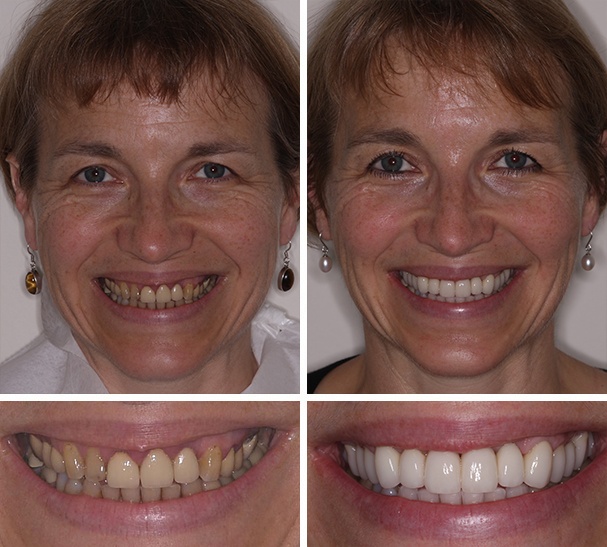
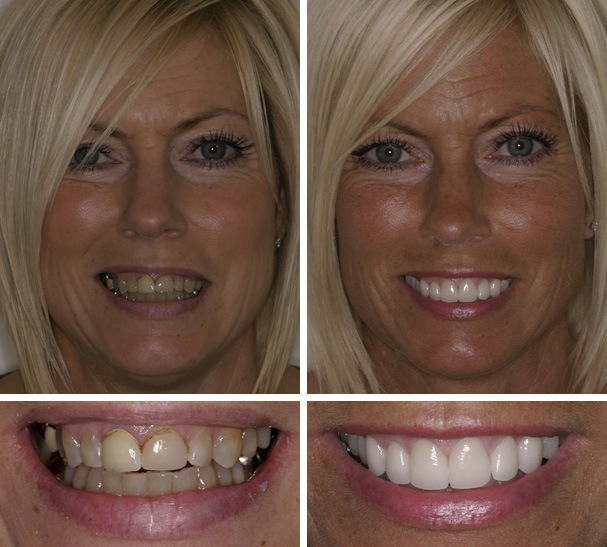
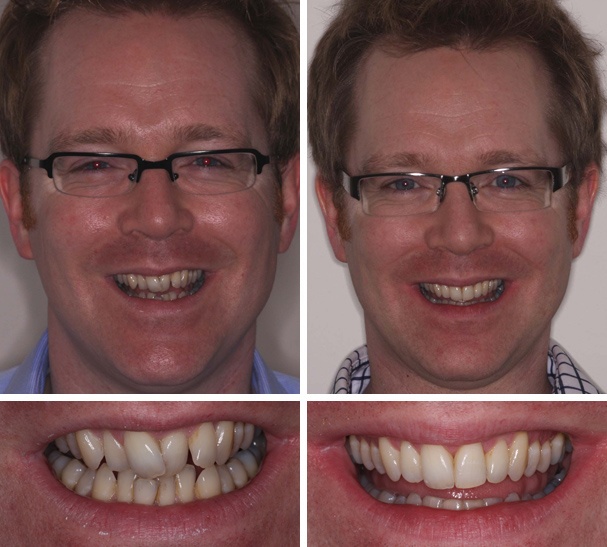
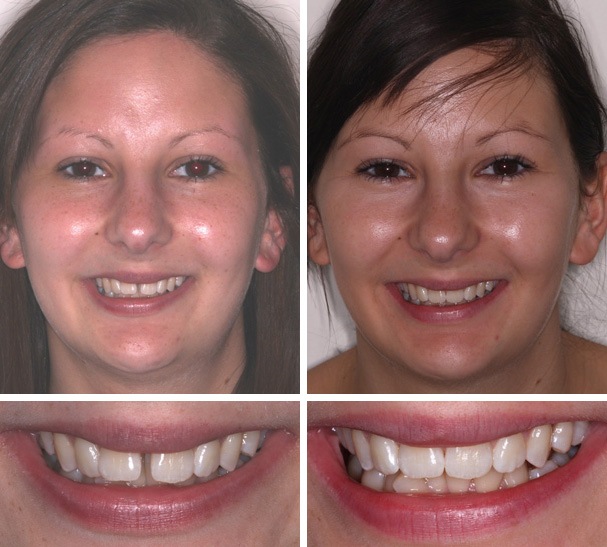
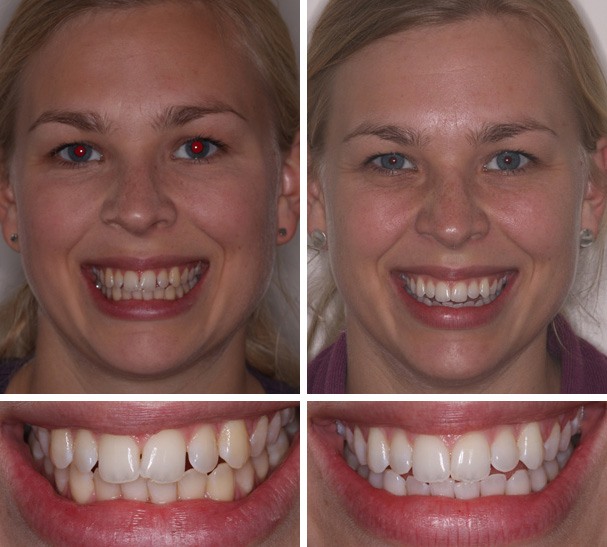
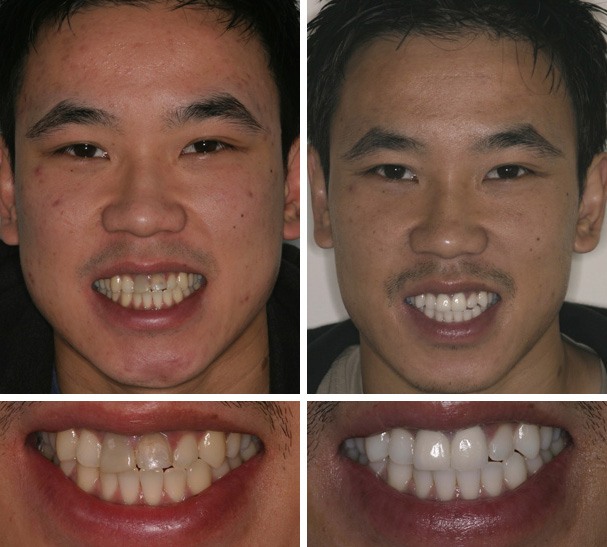
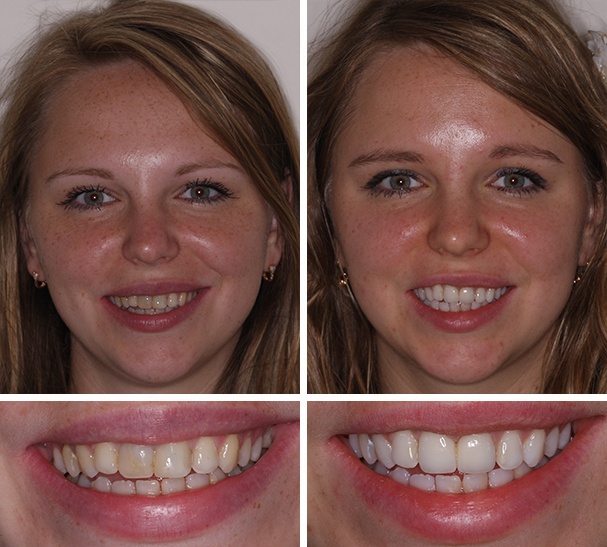
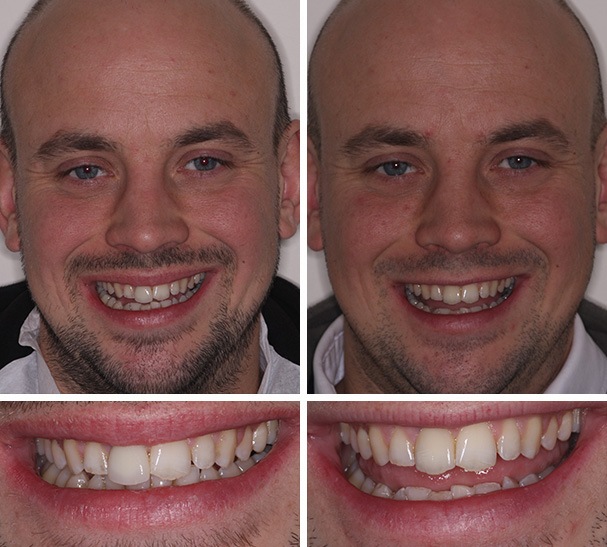
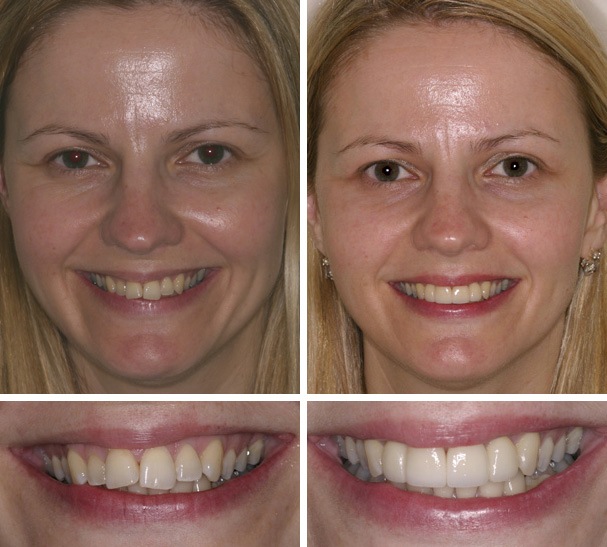
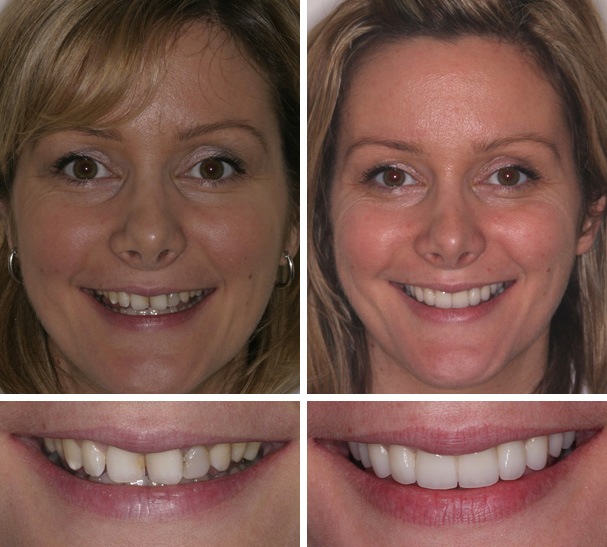
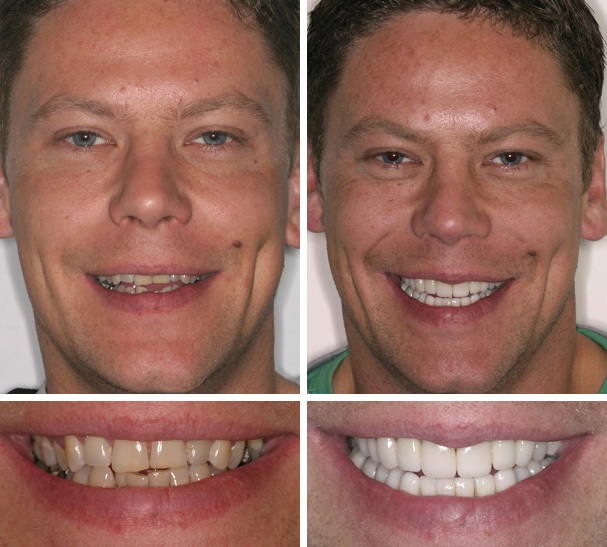
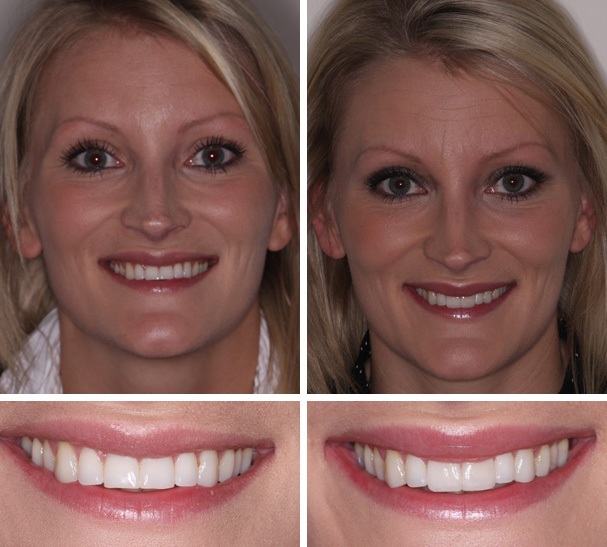
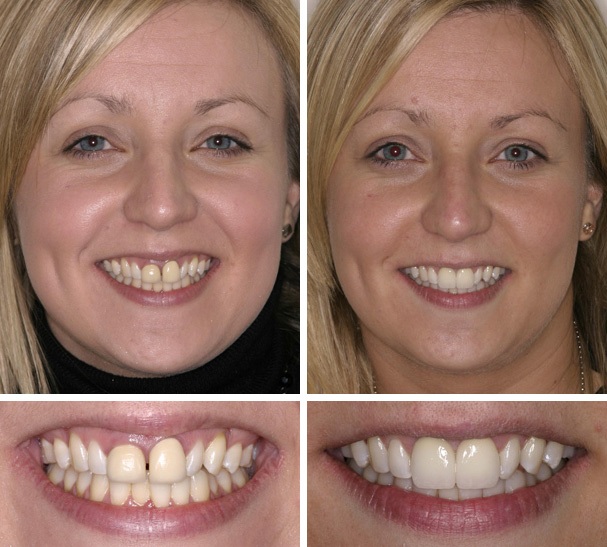
Dr Gerrard's smile makeover photos have been selected to be featured on the cosmetic dentistry guide - an educational resource with information on teeth whitening, dental implants, dental veneers, invisalign and much more. He is also an expert on the Inman Aligner Guide


Site Map:

Dentists Bristol | Team of Dentists Bristol | Dentists Blog Bristol | Smile Makeover Bristol | Smile rejuvenation Bristol | Teeth Gaps Bristol Gappy teeth Bristol Tooth gaps | Crowded Teeth Bristol | Discoloured teeth Bristol | Gummy Smiles Bristol | Old dental Crowns Bristol | Inman Aligner before and after photos Bristol | Tooth Whitening before and after photos Bristol | Smile design Bristol | Cosmetic Dentistry treatemnts Bristol | Teeth whitening Bristol | Porcelain Veneers Bristol | Porcelain Crowns Bristol | Dental Implants Bristol | Tooth replacements Bristol | Invisalign Invisible braces Bristol | Inman Aligners Bristol | 6 Month Smiles Bristol | Smile Rejuvenation Bristol | Cosmetic Bonding Bristol | Gum reshaping Bristol | Cosmetic Teeth Contouring Bristol | Tooth Coloured Fillings Bristol | Patient testimonials Bristol | Contact Dentists Bristol