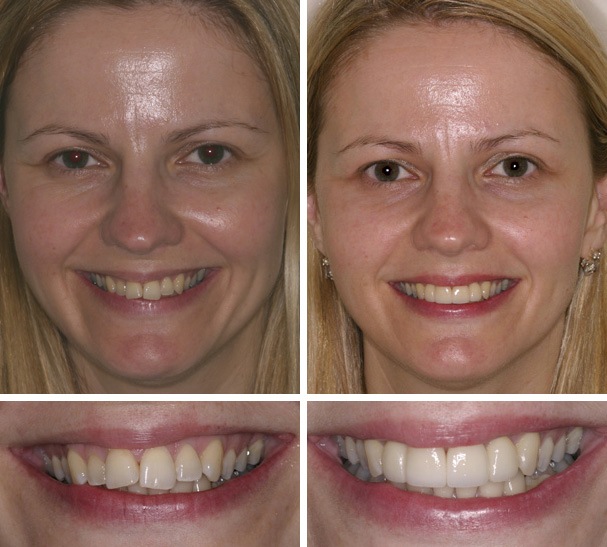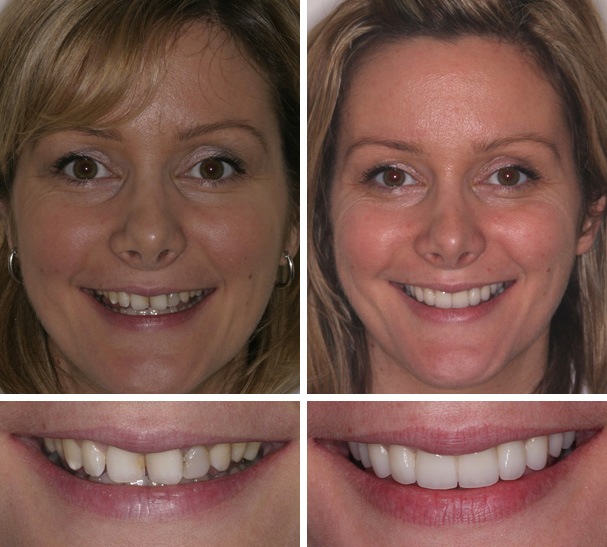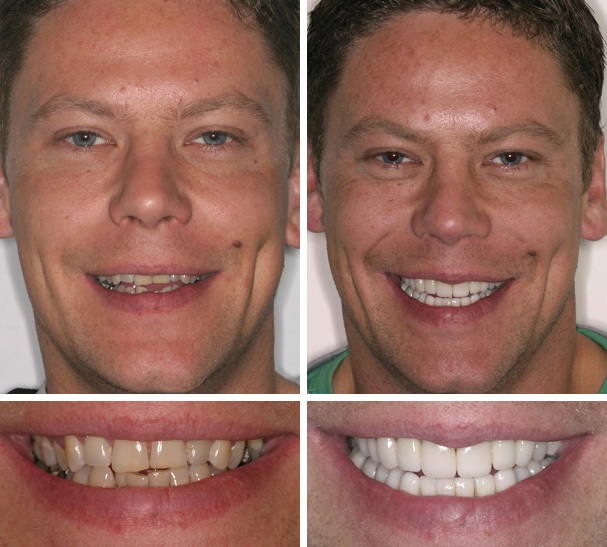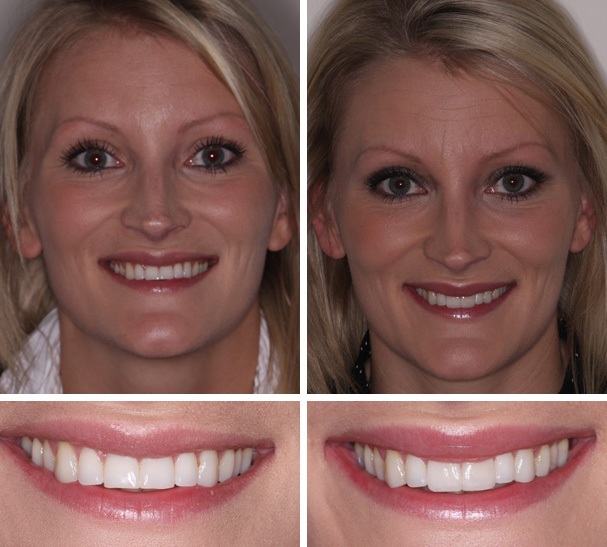





Archive for the “dental crowns” Category
Protect damaged teeth with dental crowns from Bath dentist
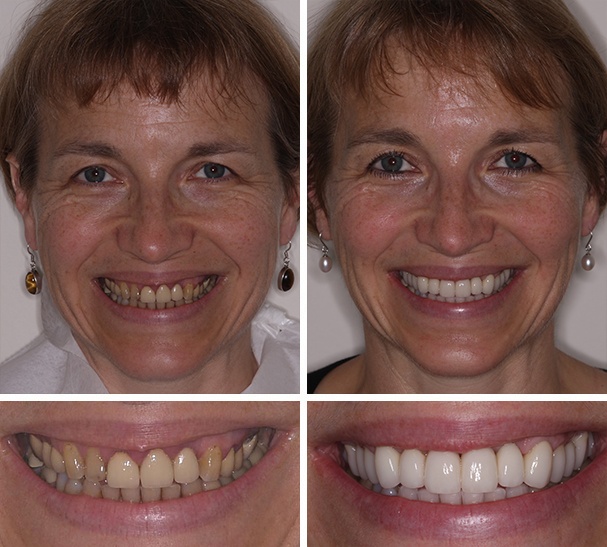
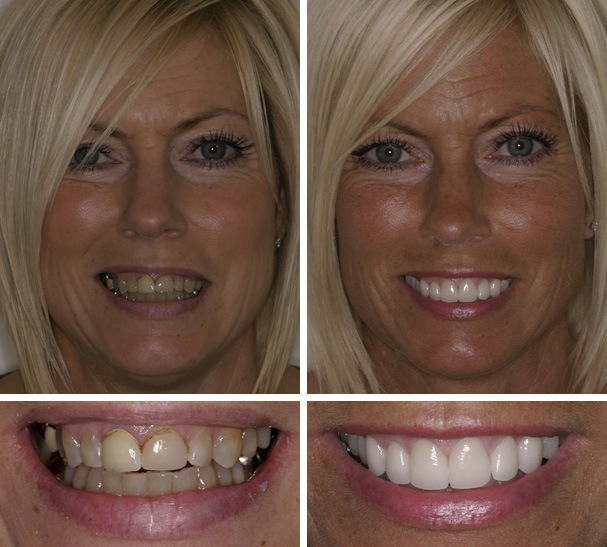
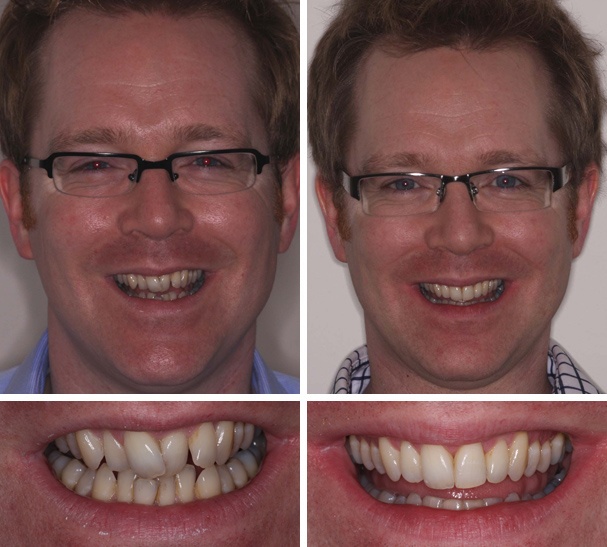
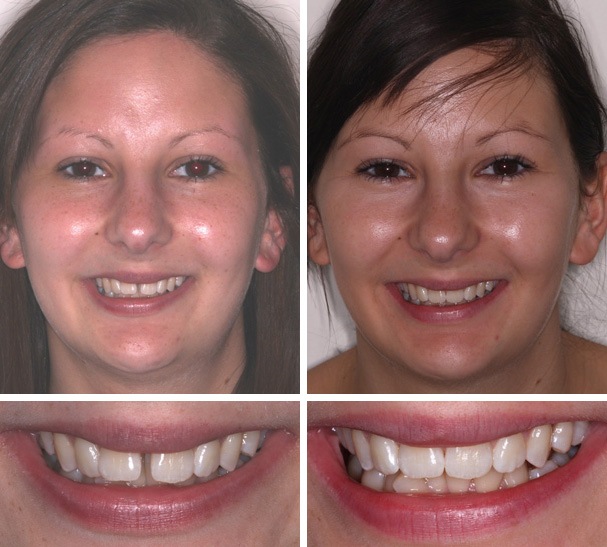
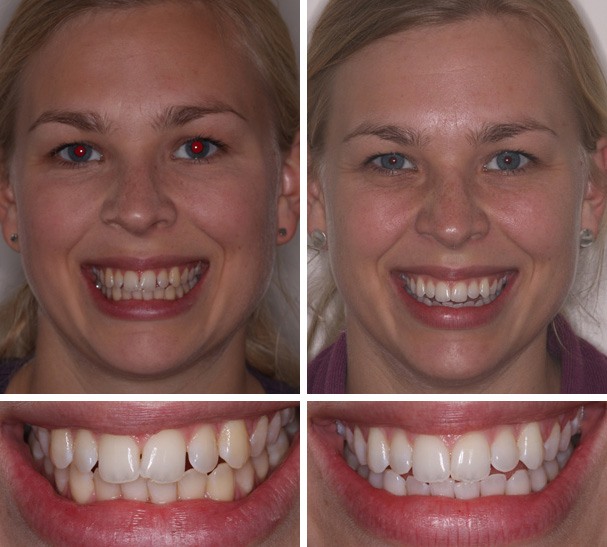
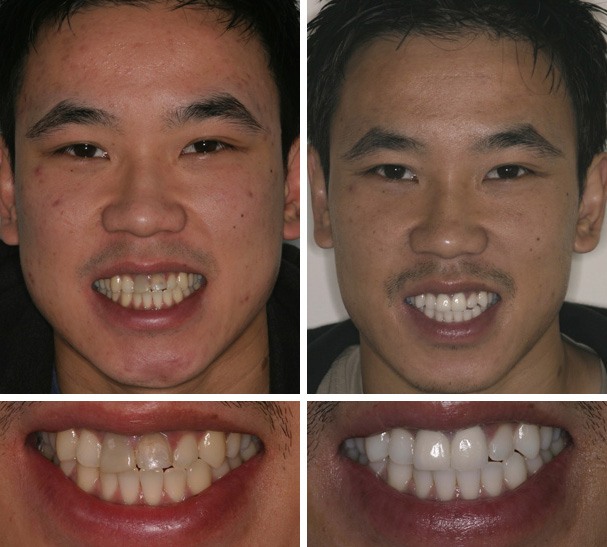
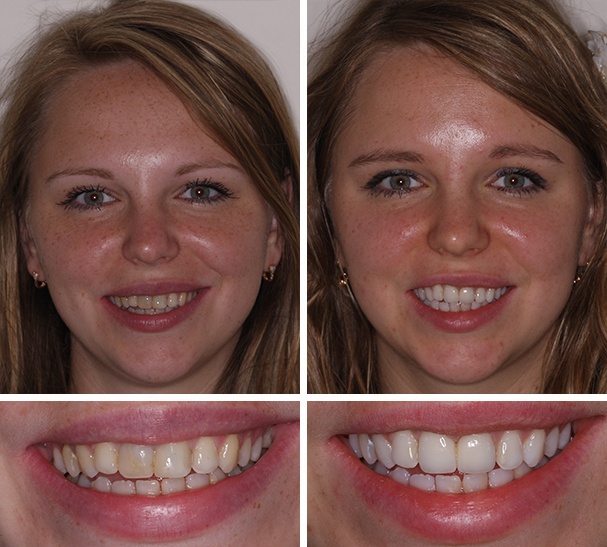
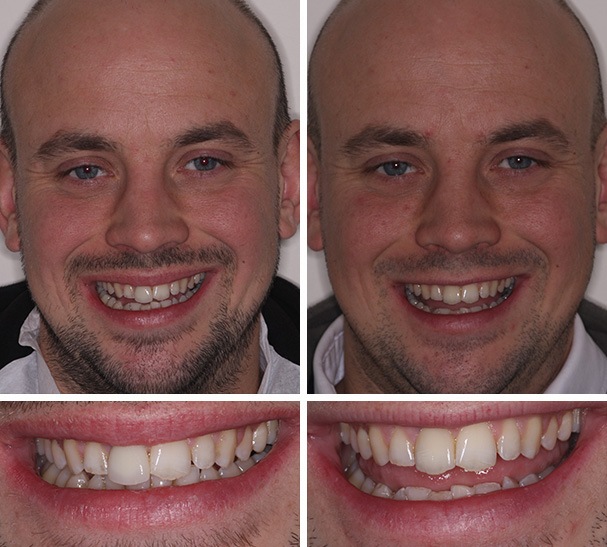
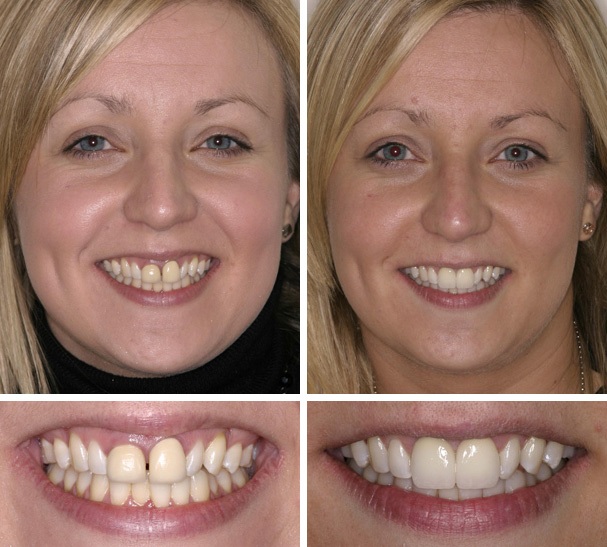
Anyone who has suffered the pain of a severely damaged tooth or root canal procedure can tell you exactly how unpleasant it is. When dental nerves are exposed either due to cracks in the teeth, cavities or dental surgery they can be incredibly sensitive and the source of great discomfort. Dental crowns are artificial tooth caps that aim to rebuild the structure of damaged or exposed teeth to protect them from further damage and restore their cosmetic appearance.
Crowns are very versatile and effective and can be made from a number of different materials. Depending on the situation of the tooth in the mouth, crowns can either be made of a mixture of ceramic and metal, or for more visually prominent teeth, just from a porcelain ceramic. It is even possible to manufacture crowns made form pure gold or silver for a slightly more glitzy appearance.
When applying dental crowns to damaged teeth, the dentist will need to remove some of the surface enamel to allow the crown to fit over the top. The crown should cover all parts of the tooth that are proud of the gum line for maximum protection. They are fixed to the teeth using a strong composite resin bonding which is tooth coloured for a more attractive cosmetic appearance.
New technology has radically reduced the amount of time needed to manufacture and fit crowns. It is now even possible to repair a damaged tooth with a crown in only one visit to the dentist, using computer-aided technology. A crown from a Bath dentist can last up to twenty years if properly cared for, offering protection from pain and further damage with no damage to the appearance of the teeth.
January 4, 2010 at 4:28 am | No comment
Prevent further damage to teeth with dental crown from Swindon dentist
Restorative dental crowns are caps that fit over the top of damaged, broken or cracked teeth in order to restore their cosmetic appearance and protect them from further damage. They can be made from a variety of different substances including gold and silver but are most commonly fabricated from enamel-like porcelain.
Dental crowns have existed for many years but it is only in the last few years that they have improved to reach the incredible standards of realism and effective protection that they offer today. New computer-aided design and manufacture technology has allowed Swindon dentists to be able to fit beautifully engineered crowns in a fraction of the time previously possible.
There are many reasons why patients need crowns, ranging from further protective measures following root canal treatments to purely cosmetic reasons improving the appearance of a smile. Whatever the reason, dental crowns are fitted in the same way following preparation involving some removal of enamel. This allows the crown to fit naturally over the top of the existing tooth without looking out of place. However, as crown technology improves and crowns are manufactured to ever-higher degrees of accuracy, the porcelain becomes thinner, meaning less enamel needs to be removed prior to fitting.
A dental crown procedure will usually involve several visits to the dentist to complete. It is usually a relatively painless procedure unless the teeth are being repaired due to structural damage. Once fitted, if properly cared for, a dental crown will offer added protection against further injury, restore the cosmetic appearance of the tooth and resist stains for up to fifteen years.
December 10, 2009 at 5:47 am | No comment
Swindon dentist saves patients tooth with porcelain crown
Porcelain crowns are very versatile tooth-shaped caps that can be used in the repair of dental trauma and also as a protective barrier following dental surgery. Durable and lifelike, they can also benefit the cosmetic appearance of teeth damaged by discolouration and enamel erosion. When a porcelain crown is fixed it serves to protect the portion of the tooth that is proud of the gum line.
If a tooth has been damaged by a head trauma or sporting injury it may be cracked chipped or broken. Some minor damage may be repaired by dental bonding made from composite resin, but often the structure of the tooth is damaged to the extent that it needs reinforcing. A dental crown is cemented over the surface of the damaged tooth acting as a support and barrier against any further damage. This prevents the need to remove the tooth and preserves many of its natural functions. Porcelain crowns are also used to hold in place dental fillings and repair work carried out during root canal surgery.
Crowns can also be used for cosmetic reasons being fitted over badly eroded or worn teeth. Some teeth that are badly discoloured, either due to smoking or hereditary conditions, can also be cosmetically enhanced by porcelain crowns.
New computer-aided methods of design and manufacture make it possible to produce a crown from a single piece of porcelain in as little as six minutes. This has been a huge advancement of the laboratory-produced crowns of the past which often took weeks to manufacture. This has reduced waiting and appointment times for patients. It is now possible to have a crown designed and fitted in only one appointment.
Porcelain crowns are also significantly thinner than they have previously been meaning that far less enamel removal is required for accurate sizing. If you have a cracked or damaged tooth or are looking to enhance the appearance of your worn teeth, ask a Swindon dentist about new porcelain crowns technology.
November 14, 2009 at 7:41 am | No comment
Search blog
Recent Posts
Archives
Categories
- 6 month smiles (1)

- cosmetic dentistry (2)
- dental bonding (2)
- dental bridge (2)
- dental crowns (3)
- dental implants (3)
- dental pain (2)
- dental phobia (1)
- dental veneers (3)
- dentures (3)
- general dentistry (8)
- gum disease (3)
- inman aligner (3)
- invisalign (3)
- oral hygiene (9)
- smile makeover (2)
- teeth whitening (4)
- Uncategorized (4)